Expedition Journal
Annapurna Circuit Trek —
The Complete Guide to Nepal's Most Diverse Trekking Adventure
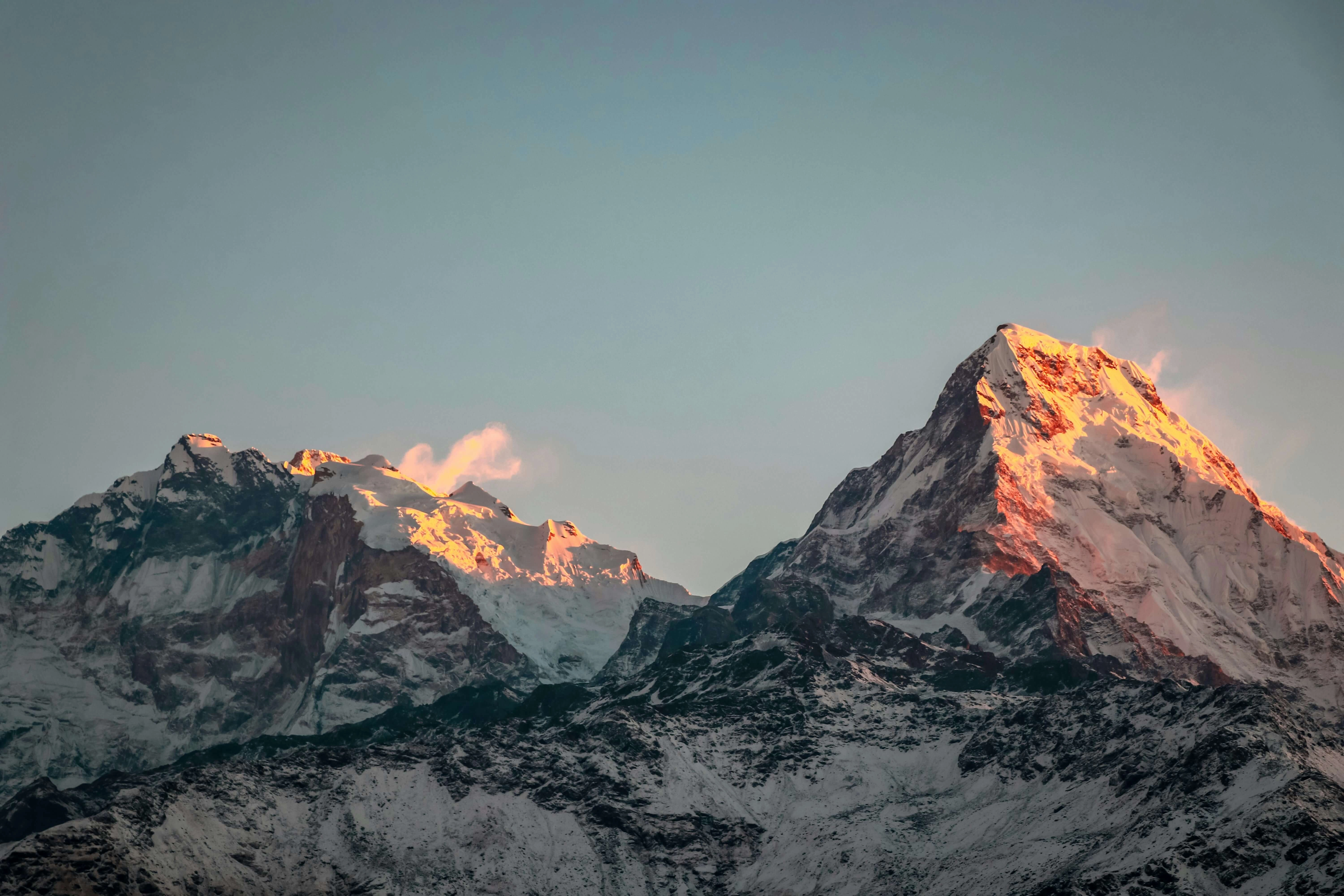
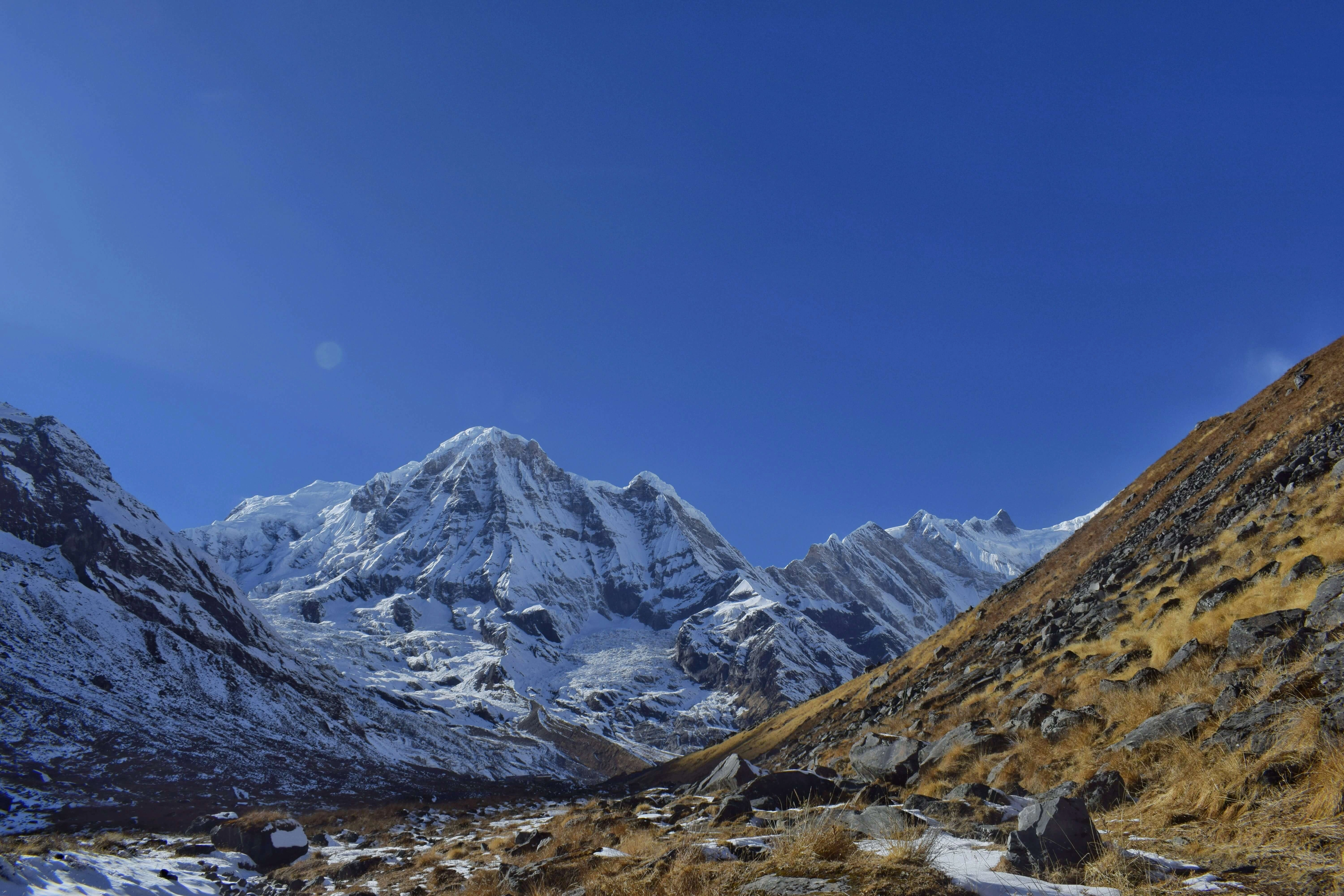
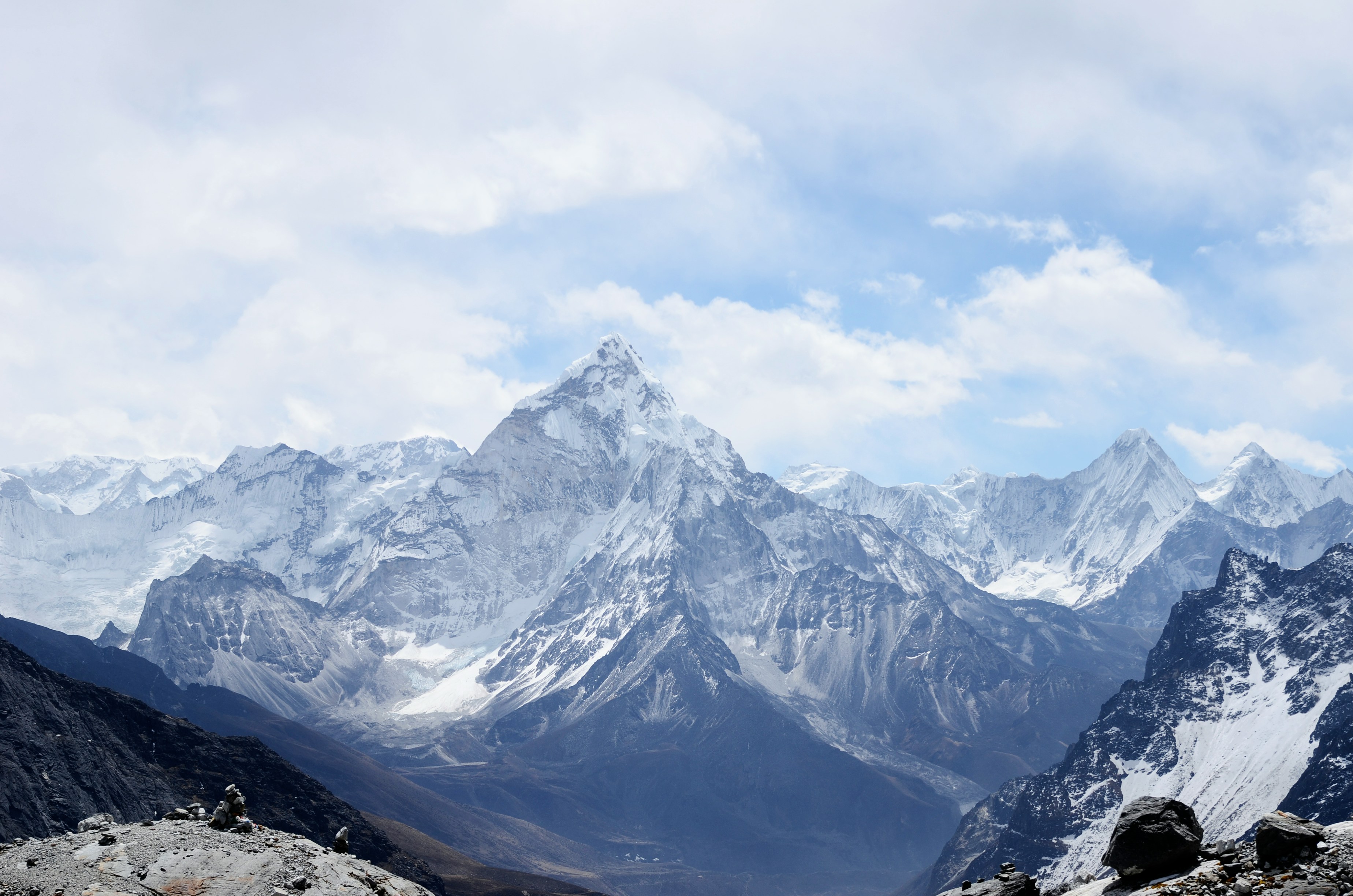
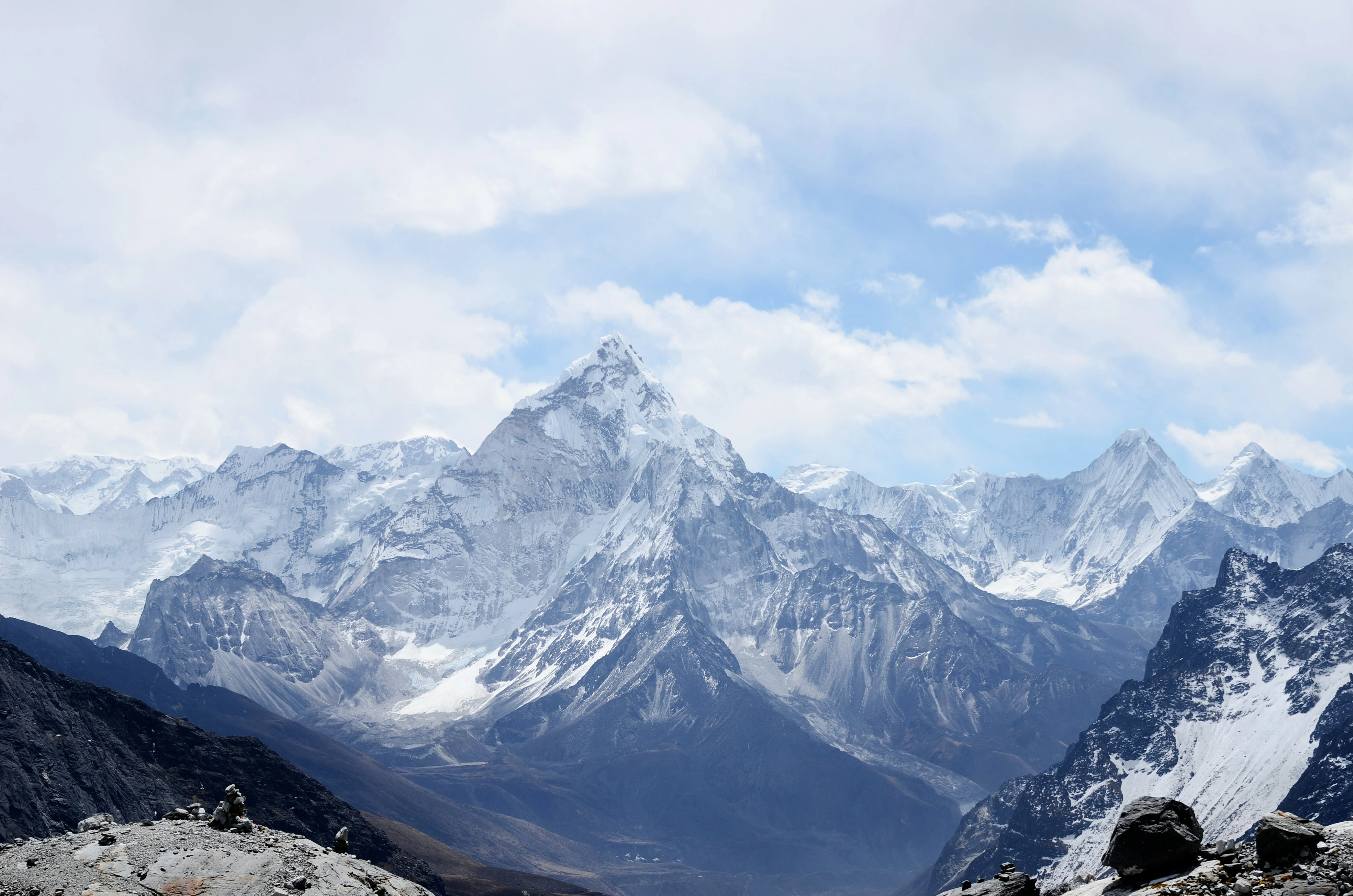
The Annapurna Circuit Trek is widely regarded as one of the greatest long-distance treks in the entire world, and for very good reason. This legendary trail circles the entire Annapurna Massif in central Nepal, passing through an extraordinarily diverse range of landscapes, cultures, climates, and ecosystems that make every single day on the trail feel like an entirely new and different adventure. From the lush subtropical forests and terraced rice fields of the lower valleys to the dramatic high-altitude desert landscapes of the Mustang region and the breathtaking snow-capped peaks of the upper circuit, the Annapurna Circuit offers a trekking experience that is simply unmatched anywhere else on Earth.
The trek is famous for crossing the legendary Thorong La Pass at 5,416 meters, one of the highest mountain passes in the world and without question the most exciting and rewarding challenge of the entire circuit. Standing on the top of Thorong La with the entire Annapurna Massif spread out before you and the sacred pilgrimage town of Muktinath waiting on the other side is one of those rare and precious moments in life that fills you with an overwhelming sense of achievement, joy, and pure gratitude for being alive and adventurous enough to be standing in such an extraordinary place.
Overview of the Annapurna Circuit Trek
The Annapurna Circuit Trek covers a total distance of approximately 160 to 230 kilometers depending on the route taken, and is typically completed in 15 to 20 days. The trek begins in the bustling town of Besisahar in the Lamjung district and follows the course of the Marshyangdi River through a series of increasingly dramatic gorges and valleys before gradually ascending to the high-altitude landscapes of the upper circuit. After crossing Thorong La Pass the trail descends to the sacred town of Muktinath and then continues through the ancient Mustang region before finishing in the lakeside city of Pokhara — one of Nepal's most beautiful and beloved destinations.
Along the way trekkers pass through an incredible variety of villages and communities representing some of Nepal's most diverse ethnic groups including Gurung, Magar, Thakali, and Tibetan communities, each with their own unique culture, traditions, architecture, and cuisine. The trail also passes through the stunning Manang Valley, one of the most beautiful high-altitude valleys in the entire Himalayas, where trekkers typically spend an acclimatization day exploring the surrounding landscape and preparing their bodies for the challenge of Thorong La Pass.
Best Time to Do the Annapurna Circuit Trek
Just like most Himalayan treks the best seasons for the Annapurna Circuit are Spring (March to May) and Autumn (September to November). Both seasons offer excellent weather conditions, clear mountain views, and comfortable trekking temperatures that make the experience as enjoyable and rewarding as possible.
Spring is particularly beautiful on the Annapurna Circuit because the entire lower section of the trail is lined with magnificent rhododendron forests that burst into a spectacular explosion of red, pink, and white flowers during March and April. The combination of colorful forests, clear blue skies, and pristine snow-capped peaks makes spring one of the most visually stunning times to be on the trail.
Autumn offers perhaps the clearest and most dramatic mountain views of the year, with the post-monsoon air being exceptionally clean and transparent. The golden light of autumn combined with the sharp outlines of the Annapurna peaks against a deep blue sky creates photographic conditions that are truly extraordinary and unforgettable.
Winter (December to February) is possible on the lower sections of the circuit but the higher sections and Thorong La Pass can be extremely cold and sometimes impassable due to heavy snowfall. Monsoon season (June to August) brings heavy rainfall to the lower sections of the trail but the upper Mustang region is actually in a rain shadow and can be trekked during this period with less rainfall than other areas.
The Challenge of Thorong La Pass
Without a doubt the most talked about and anticipated moment of the entire Annapurna Circuit Trek is the crossing of Thorong La Pass at 5,416 meters. This high mountain pass is the highest point of the entire circuit and represents the single biggest physical and mental challenge that trekkers will face during the journey. The crossing typically begins very early in the morning, usually between 3am and 5am, in order to take advantage of the calm morning weather before the afternoon winds pick up and make conditions on the pass significantly more dangerous and difficult.
The ascent to the pass from the last teahouse at Thorong Phedi takes approximately 4 to 6 hours of steady climbing through increasingly thin air and dramatic mountain scenery. The final push to the top is tough and demanding, with many trekkers feeling the effects of altitude in the form of breathlessness, headaches, and fatigue. But the moment you reach the top and see the rows of colorful prayer flags fluttering in the wind against the backdrop of the Himalayas, every bit of struggle and effort melts away in an instant and is replaced by an overwhelming wave of joy, pride, and pure exhilaration.
The descent from Thorong La down to Muktinath takes approximately 2 to 3 hours and is steep and demanding on the knees but the views throughout are absolutely spectacular. Arriving in Muktinath — one of the most sacred pilgrimage sites in both Hinduism and Buddhism — after crossing the pass is a deeply moving and spiritual experience that adds a profound cultural dimension to what is already an extraordinary physical achievement.
Cultural Highlights of the Annapurna Circuit
One of the things that makes the Annapurna Circuit so special and unique compared to other great treks of the world is the extraordinary richness and diversity of the cultural experiences it offers along the way. The trail passes through dozens of villages and communities that have preserved their traditional ways of life for centuries, offering trekkers a rare and precious window into some of the most fascinating and distinctive cultures in all of Asia.
In the lower valleys of the circuit you will walk through traditional Gurung and Magar villages where stone houses with slate roofs cluster together on hillsides above terraced fields of rice, millet, and barley. The people here are warm, welcoming, and deeply proud of their cultural heritage, and it is not uncommon to be invited into a local home for a cup of butter tea or a bowl of homemade dal bhat by a smiling grandmother who wants nothing more than to share her hospitality with a passing traveler.
As you ascend higher into the circuit the culture gradually shifts toward a more Tibetan Buddhist influence, with ancient monasteries, spinning prayer wheels, mani stone walls, and colorful prayer flags becoming increasingly prominent features of the landscape. The town of Manang is a particular cultural highlight, with its fascinating mix of traditional Tibetan-influenced architecture, ancient monasteries, and modern trekking infrastructure creating a unique and captivating atmosphere that feels unlike anywhere else in the world.
The sacred town of Muktinath at 3,800 meters is perhaps the most spiritually significant destination on the entire circuit, attracting thousands of Hindu and Buddhist pilgrims from Nepal, India, and Tibet every year. The famous Muktinath Temple with its 108 sacred water spouts and eternal flame of natural gas is one of the most revered religious sites in the entire Hindu world, and visiting it after the epic crossing of Thorong La Pass adds a deeply meaningful and unforgettable spiritual dimension to the trekking experience.